
β-pph pipe selection guide for new energy projects
 Подписаться на раздел
Solution Analysis by Jiqing Group
In 2026, China’s new energy industry is growing rapidly. Projects related to lithium batteries, photovoltaics, and energy storage are being steadily launched. With the industry’s high-quality development, production conditions have become stricter, and requirements for anti-corrosion pipelines have been significantly raised.
Traditional pipelines often suffer from corrosion, leakage, high-temperature deformation, and poor stability, making them unable to support continuous production in new energy factories.
Jiangsu Jiqing Group analyzes the application scenarios and core advantages of β-PPH pipes to provide a practical reference for pipeline selection.
1. Why We Recommend β-PPH Pipes
β-PPH pipes are stable, adaptable, and cost-effective, making them the top choice for lithium battery, energy storage, and raw material projects.
In battery electrolyte production, pipelines face three major challenges:
high temperature & strong alkali, corrosive solvents, and chloride ion environments.
Traditional steel pipes rust easily in chloride environments.
PP/PVC pipes cannot withstand high temperatures.
PVDF pipes have good corrosion resistance but are too expensive for large projects.
β-PPH pipes work well for electrolyte transport, process water systems, and photovoltaic anti-corrosion pipelines. They effectively solve key pipeline problems in new energy production.
In addition, the new energy industry depends on rare earth materials. Key parts such as motors for new energy vehicles rely on high-performance rare earth products.
Rare earth purification and extraction use strong acids and alkalis, with 24-hour continuous production and constant high temperatures. Common pipelines quickly corrode, leak, or deform, which reduces material purity and production stability.
β-PPH pipes perform reliably in these harsh conditions and ensure clean delivery of rare earth materials, supporting the quality of upstream new energy supplies.
2. Full Comparison with Other Pipes
Different pipes have different performance in corrosion resistance, heat resistance, stability, and cost.
β-PPH pipes provide the best overall performance.
The table below shows why β-PPH pipes replace other pipes in new energy production and rare earth processing:
Pipe type Corrosion resistance range Thermal resistance range Pressure capacity (20℃) Creep resistance stability Applicable scenarios Relative cost
β-PPH pipe pH 0-14 -20℃~110℃ 0.6-1.6 MPa Excellent, resistant to creep, and without deformation New energy, fine chemicals Moderate, good value for money
Steel pipe / Stainless steel pipe Not tolerant of chloride ions -20℃~350℃ ≥4.0 MPa Excellent High-pressure non-corrosive medium Expensive
PP pipe pH 5-9 -20℃~60℃ 1.0 MPa Poor, easily deformed at high temperatures Outstanding Normal temperature low-pressure water supply and drainage Less expensive
UPVC pipe pH 2-10 0℃~60℃ 0.6-1.6 MPa Poor, easily deformed at high temperatures Outstanding Civilian water supply and drainage Less expensive
PVDF pipe pH 0-14 -40℃~150℃ 2.0 MPa Excellent Extremely strong corrosion, high-purity working conditions Very expensive
3. Core Advantages of β-PPH Pipes for Harsh New Energy Conditions
Ⅰ.Suitable for high-purity material transport, no contamination
In lithium battery production, electrolytes and electrode slurries are very sensitive to metal impurities. Even tiny amounts of iron, copper, or zinc can shorten battery life or cause internal short circuits.
β-PPH is clean, smooth, and free of precipitation. Its zero-metal contact design prevents contamination from the source.
Ⅱ.Suitable for rare earth extraction, stable production
Rare earth extraction is highly corrosive, using organic agents and strong acids/bases.
β-PPH pipes resist corrosion across the full pH range of 0–14.
Rare earth production usually runs at 50–70°C. β-PPH pipes resist heat and creep, so they do not deform or leak even after long-term use.
Ⅲ.Excellent welded sealing, safe and compliant
Sealing is critical for pipelines carrying flammable electrolytes.
β-PPH pipes use hot-melt integrated welding with no leakage points.
Welding temperature: 270°C
Joint strength: above 98% of the main pipe.
4. Conclusion and Suggestions for New Energy Pipeline Selection
β-PPH pipes are widely suitable for lithium battery material transport, rare earth processing, and other key new energy applications. They combine good corrosion resistance, heat resistance, creep resistance, and cost efficiency, balancing stable production and economic benefits.
Jiqing Group Suggestion:
New energy projects do not need to choose expensive high-end pipes.
For high-purity material transport, rare earth production, and acid-base exhaust systems, β-PPH pipes are the best choice.
They prevent corrosion, leakage, deformation, and environmental non-compliance, while controlling project costs and reducing maintenance and downtime expenses.
Фотогалерея статьи
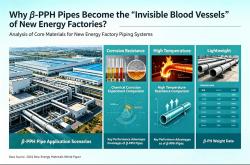
In 2026, China’s new energy industry is growing rapidly. Projects related to lithium batteries, photovoltaics, and energy storage are being steadily launched. With the industry’s high-quality development, production conditions have become stricter, and requirements for anti-corrosion pipelines have been significantly raised.
Traditional pipelines often suffer from corrosion, leakage, high-temperature deformation, and poor stability, making them unable to support continuous production in new energy factories.
Jiangsu Jiqing Group analyzes the application scenarios and core advantages of β-PPH pipes to provide a practical reference for pipeline selection.
1. Why We Recommend β-PPH Pipes
β-PPH pipes are stable, adaptable, and cost-effective, making them the top choice for lithium battery, energy storage, and raw material projects.
In battery electrolyte production, pipelines face three major challenges:
high temperature & strong alkali, corrosive solvents, and chloride ion environments.
Traditional steel pipes rust easily in chloride environments.
PP/PVC pipes cannot withstand high temperatures.
PVDF pipes have good corrosion resistance but are too expensive for large projects.
β-PPH pipes work well for electrolyte transport, process water systems, and photovoltaic anti-corrosion pipelines. They effectively solve key pipeline problems in new energy production.
In addition, the new energy industry depends on rare earth materials. Key parts such as motors for new energy vehicles rely on high-performance rare earth products.
Rare earth purification and extraction use strong acids and alkalis, with 24-hour continuous production and constant high temperatures. Common pipelines quickly corrode, leak, or deform, which reduces material purity and production stability.
β-PPH pipes perform reliably in these harsh conditions and ensure clean delivery of rare earth materials, supporting the quality of upstream new energy supplies.
2. Full Comparison with Other Pipes
Different pipes have different performance in corrosion resistance, heat resistance, stability, and cost.
β-PPH pipes provide the best overall performance.
The table below shows why β-PPH pipes replace other pipes in new energy production and rare earth processing:
Pipe type Corrosion resistance range Thermal resistance range Pressure capacity (20℃) Creep resistance stability Applicable scenarios Relative cost
β-PPH pipe pH 0-14 -20℃~110℃ 0.6-1.6 MPa Excellent, resistant to creep, and without deformation New energy, fine chemicals Moderate, good value for money
Steel pipe / Stainless steel pipe Not tolerant of chloride ions -20℃~350℃ ≥4.0 MPa Excellent High-pressure non-corrosive medium Expensive
PP pipe pH 5-9 -20℃~60℃ 1.0 MPa Poor, easily deformed at high temperatures Outstanding Normal temperature low-pressure water supply and drainage Less expensive
UPVC pipe pH 2-10 0℃~60℃ 0.6-1.6 MPa Poor, easily deformed at high temperatures Outstanding Civilian water supply and drainage Less expensive
PVDF pipe pH 0-14 -40℃~150℃ 2.0 MPa Excellent Extremely strong corrosion, high-purity working conditions Very expensive
3. Core Advantages of β-PPH Pipes for Harsh New Energy Conditions
Ⅰ.Suitable for high-purity material transport, no contamination
In lithium battery production, electrolytes and electrode slurries are very sensitive to metal impurities. Even tiny amounts of iron, copper, or zinc can shorten battery life or cause internal short circuits.
β-PPH is clean, smooth, and free of precipitation. Its zero-metal contact design prevents contamination from the source.
Ⅱ.Suitable for rare earth extraction, stable production
Rare earth extraction is highly corrosive, using organic agents and strong acids/bases.
β-PPH pipes resist corrosion across the full pH range of 0–14.
Rare earth production usually runs at 50–70°C. β-PPH pipes resist heat and creep, so they do not deform or leak even after long-term use.
Ⅲ.Excellent welded sealing, safe and compliant
Sealing is critical for pipelines carrying flammable electrolytes.
β-PPH pipes use hot-melt integrated welding with no leakage points.
Welding temperature: 270°C
Joint strength: above 98% of the main pipe.
4. Conclusion and Suggestions for New Energy Pipeline Selection
β-PPH pipes are widely suitable for lithium battery material transport, rare earth processing, and other key new energy applications. They combine good corrosion resistance, heat resistance, creep resistance, and cost efficiency, balancing stable production and economic benefits.
Jiqing Group Suggestion:
New energy projects do not need to choose expensive high-end pipes.
For high-purity material transport, rare earth production, and acid-base exhaust systems, β-PPH pipes are the best choice.
They prevent corrosion, leakage, deformation, and environmental non-compliance, while controlling project costs and reducing maintenance and downtime expenses.
| Разместил: | JiQing Group |
| Источник: | Собственная информация |
| Учетная запись: | Jiangsu Jiqing Pipe Group Co., LTD. |
| Дата: | 15.06.26 |
| Lithium battery industry | β-PPH pipe installation | Jiqing Group | β-PPH raw material transportation | Jiqing Group | Rare earth extraction | Jiqing Group |